Chiron in the 2nd House
You doubt your worth and find it hard to value yourself.
Chiron is the place where you were wounded and where you know how to help others; in the 2nd house, it plays out in your money, what you own and what you value.
Chiron is the point of the wound and of healing: it shows what you learn from your experiences.


- Planet
- Chiron
- House
- 2nd House
- The 2nd house concerns your money, your attitude toward money, how you earn it and how you spend it.
- Area of life
- Money & self-worth
- Natural sign
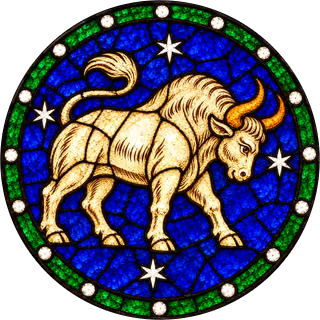
- Taurus
- The sign with the same number in the zodiac: it speaks to the same area of life.
What it means
Your wound touches what gives you a sense of being solid: your personal worth, your money, your belongings, your resources, and also your own qualities, such as your intelligence, your faith or your artistic gifts. You easily feel insecure, as if you lacked substance, and you never feel entirely solid or safe.
To compensate, you may put great importance on objects, money, goods and property, with the hidden idea “I have, therefore I am.” Buying and owning still doesn’t calm this unease. You can then become possessive and very attached to material things, and cling to people as to objects, hoping they will give you the solidity you lack. Or the reverse: you may hate being tied down by possessions and hesitate to own anything at all.
This wound can go back to the time when a child separates from the mother and begins to draw solidity from its own body rather than from her. If something was hurt then, you may later project your instincts and the sense of your own body onto other people or objects, instead of feeling them in yourself. You have often been hurt by values that don’t fit you, received from your parents or from society. Your natural rhythms may have been ignored or set to other people’s demands.
Money and wealth are sensitive subjects for you. Money difficulties can feel very threatening. You may have known material lack: you lived it as a wound and a humiliation, and it first led you to overrate the importance of what a person owns. Control of resources is a central subject for you. You can have a very sure sense of finances and still struggle to manage your own: you know how to do for others what you can’t do for yourself. When you have a lot, you may find it hard to carry the responsibility that comes with it, or on the contrary have a real wish to share what you have.
You tend to take everything literally and find it hard to see the symbolic meaning of things. You sometimes feel stuck under a pile of practical problems and decisions, not knowing which way to go. At first, you may experience the body, the concrete and the material world as adversaries, and spend a lot of strength keeping them at a distance or controlling them. You sometimes suffer from not managing to give your own creativity a satisfying form. You admire, and sometimes envy, other people’s creative gifts, and underrate your own.
Facing money difficulties can also make you stronger inside. Your challenge is to discover what really matters to you and to live by your own values, even when they go against those of the majority. When you can bear the feeling of not creating well enough without letting it damage your self-esteem, you develop a deep respect for the act of creating; you then create more freely, because you experience creation as something you take part in and serve, instead of trying to possess it.
Your strengths
- You know how to apply what you understand of spirituality, philosophy and ethics to everyday life and practical matters.
- You can have a very good sense of finances, and you manage other people’s resources very well.
- You know how to help others bring their creative projects to completion.
- When you have a lot, you can have a real wish to share what you have.
What holds you back
- You doubt your worth and look for security in money and belongings, without it being enough.
- You can become possessive and cling to people as to things.
- You manage other people’s money better than your own.
- You may control your own instinctive needs very tightly, or be very controlling with others.
What helps
- Look for what really matters to you and live by your values rather than the ones you inherited.
- Trust your instincts and what your body tells you, follow your own rhythm, and gradually drop the rules others imposed on you.
- Learn to make peace with the concrete and material world, instead of fighting or controlling it.
- When everything gets stuck, set the problem aside for a while and do something concrete, such as gardening or washing dishes, to give your mind time to let go of it.
- See your creativity as something you serve rather than something you own.
Careers
Managing money and other people’s resources.