Chiron in Leo
You have stayed very sensitive to mockery.
Chiron is the point of the wound and of healing: it shows what you learn from your experiences.
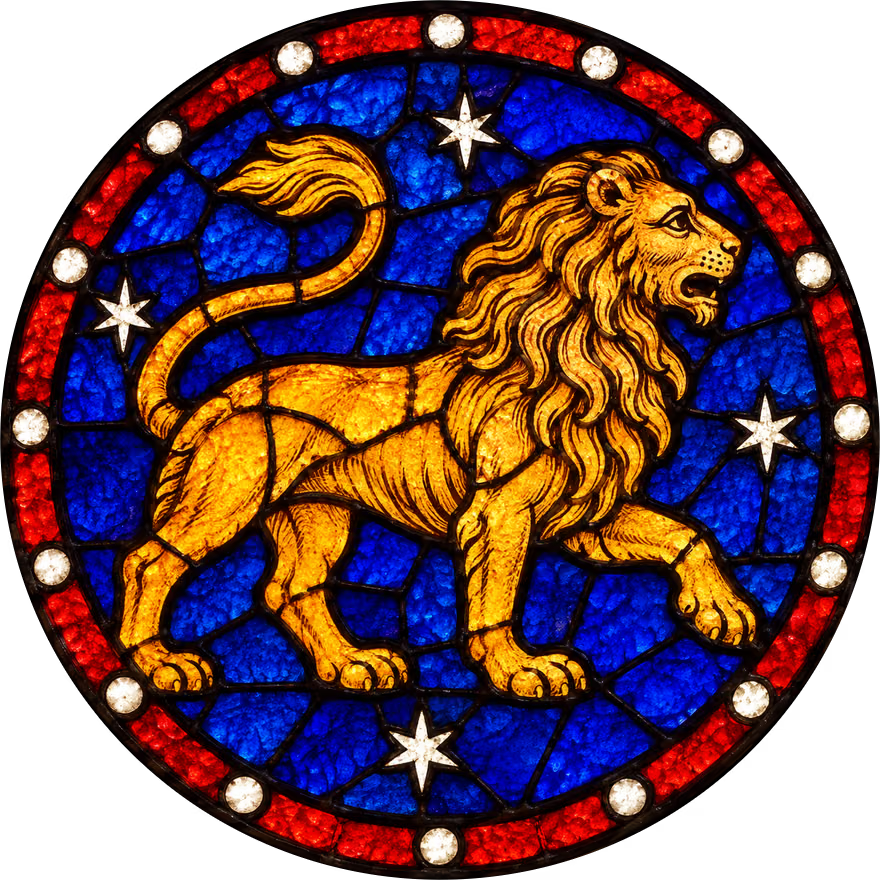

- Planet
- Chiron
- Sign
- Leo
- Element
- Fire
- Fire is the element of Aries, Leo and Sagittarius: drive, enthusiasm and self-confidence.
- Modality
- Fixed
- The fixed modality belongs to Taurus, Leo, Scorpio and Aquarius: lasting, holding on, preserving.
- Ruler
- Sun
- The planet that rules this sign.
What it means
Your wound touches your spontaneity, your creativity and how you express yourself. You find it hard to let go and enjoy the moment without worry, or else you go toward excesses that can be destructive. Often your spontaneity was stifled in childhood, and you may have learned very early that what you created or expressed was not welcome. As a child, you may have had to give up a creative activity that mattered a great deal to you, or on the contrary you were made to show what you created. From a young age, you were painfully aware of a harsh inner voice that tears down your efforts to create and spoils your enjoyment of life.
You may play the clown: you make people laugh at you before they can mock you, or you mock yourself. You may also put on a noble, almost regal air, always calm, self-possessed and on show, to the point of making others feel sloppy and ridiculous beside you. Your expression can also come out raw and unfiltered, with no concern for what others think, and you sometimes even like to shock.
Later, when you try to express something that is truly your own, you may feel an intense fear you can’t explain, blocks around creating, resistance, inner conflict. You may want very much to create and still not manage to; behind this block there is often old suffering. When a chance to create comes up, especially in front of an audience, you may feel inadequate. You lack self-confidence, and at the same time a part of you that you see less dreams of being the star, more noticed than anyone. This wish for greatness, as long as you don’t acknowledge it, comes out in inappropriate ways. Deep down, you may feel that everything is owed to you; this feeling, which comes from very old needs, makes you greedy and sure you are right, and it can push good things away from you. When your sense of being unique and special is hurt, you may look for other people’s esteem through ever more excessive efforts, perhaps in vain, because that esteem is missing inside you.
You want to shine and be admired, and you feel you never have the audience you hope for. You readily admire others and downplay your own creative successes. Then envy can appear: you would like to spoil other people’s success, luck and artistic achievements. If you don’t acknowledge this feeling, it can gradually damage what you have created in your own life. You can also be quietly mean and hurtful to the people you envy. You also fear other people’s envy as soon as you dare to create, and you sometimes attract envious, resentful people.
You believe that if you behave nobly, life will repay you; when it doesn’t, again and again, you stay puzzled and discouraged. You believe in people’s goodness, and you would like to be protected from the pettiness of the world. When you need to put yourself forward, defend yourself as you should or commit, you may withdraw and hide, judging yourself above these petty matters and saying you don’t compete. You accept the low side of life poorly: you prefer grand gestures and great passions, mediocrity and smallness disgust you, and you are ashamed of your own pettiness.
You move forward when you accept the part of you that feels clumsy, ill-adapted and unrefined, and when you accept your failures and the rejections you have lived through: they give you compassion for your pain and for that of others. You are committed to taking charge of your well-being and your expression, and to building your life in line with who you are. This path leads you to a nobility of heart that lets you serve others and bring out the best in them.
Your strengths
- You know how to see and respect what is precious in each person.
- Often, when your own artistic path hasn’t worked out, you become very good at encouraging, developing and facilitating other people’s creativity and expression, taking the whole person into account.
- You can have compassion for your pain and for that of others.
- You believe in people’s goodness and you want to behave nobly.
- You can come to see life as a whole as a creation, in which one creates and renews oneself constantly.
What holds you back
- You find it hard to be spontaneous and to have fun without holding back.
- You freeze at the moment of creating or showing yourself.
- You lack confidence, and at the same time you carry a dream of greatness that you don’t admit to yourself.
- You withdraw as soon as you need to defend yourself or put yourself forward.
- You judge harshly your own pettiness and that of others, and this severe judgment of yourself keeps you from moving forward.
What helps
- Create for pleasure, not to impress or gain prestige.
- Look for what is creative deep inside you, rather than putting on a show or perfecting a technique.
- Try expressive activities: theater, singing, free drawing, work on yourself.
- Let your emotions out and talk about yourself.
- Gently welcome the old suffering behind your blocks.
- Allow yourself to brag a little, alone in front of your mirror: you spend less strength hiding your wish to shine.
- See and feel your envy when it appears.
- Tell the difference between receiving with gratitude what life offers you and believing everything is owed to you.
- Keep your principles, but drop the judgment of yourself and others, and look at human weaknesses with indulgence.
- Have compassion for yourself.
Careers
Supporting other people’s creativity and expression.
Family
In your family, or around you, you may have received a repressive, harsh upbringing, often tied to your father; by keeping it inside you, you turned it into an inner voice that criticizes you severely. Your parents may have been creative themselves, and proud of your talents in a way that left you feeling dispossessed of what was yours. To find your own creativity, you sometimes had to conform to a parent’s expectations or face their envy.