Moon quincunx Uranus
You want to be free to feel what you choose and to change your feeling when you want to, and you hate feeling shut in, in your emotions as in your domestic life.
A quincunx links two planets that find it hard to get along: one hampers the other without stopping it from acting, and it asks a lot of adjustment from you.
A quincunx is when two planets are 150 degrees apart: they have almost nothing in common and rub against each other without seeing each other.
- Aspect
- Quincunx
- A quincunx is when two planets are 150 degrees apart: they have almost nothing in common and rub against each other without seeing each other.
- Angle
- 150°
- The distance between the two planets, in degrees around the chart.
- Planet
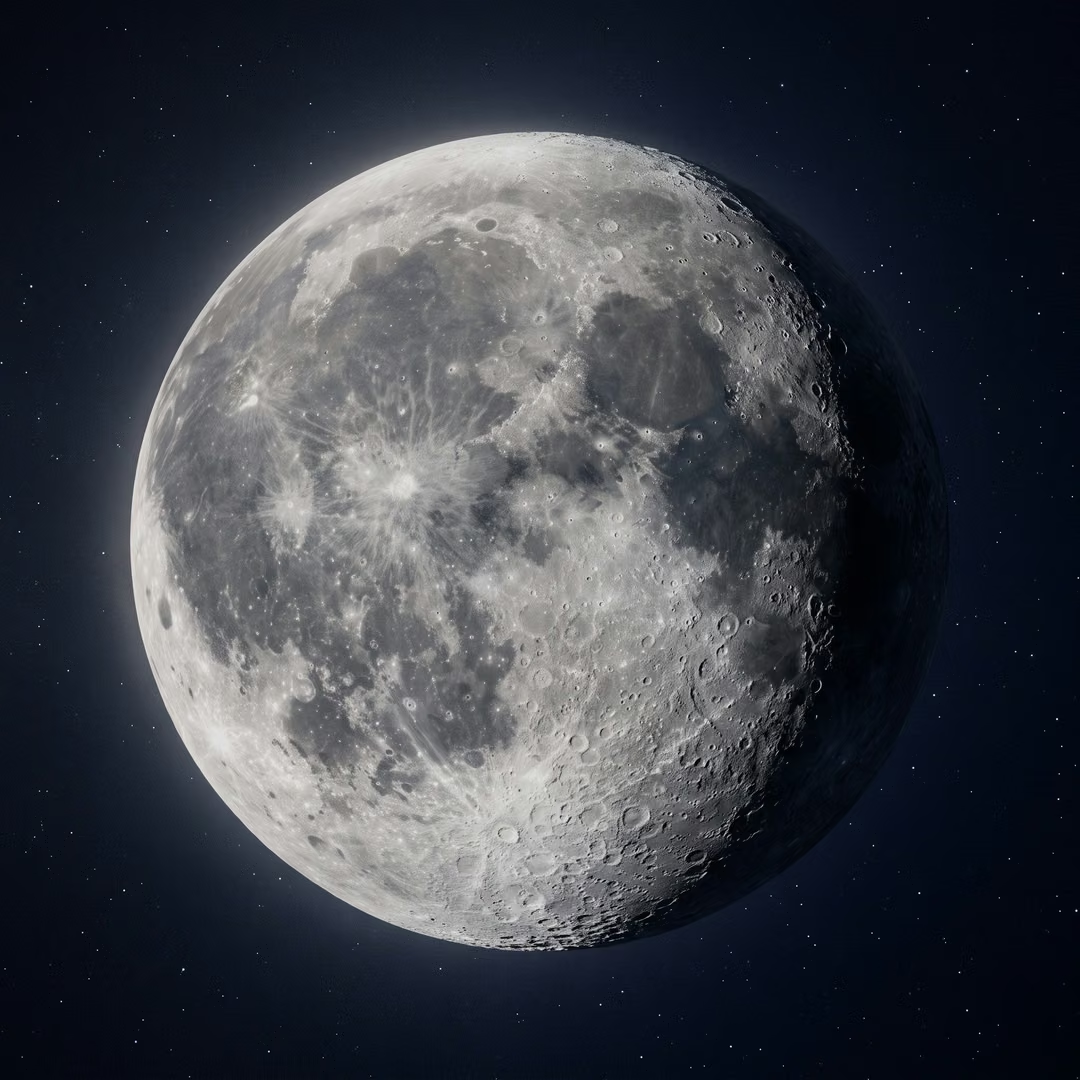
- Moon
- The Moon is your emotional needs and your spontaneous reactions.
- Planet
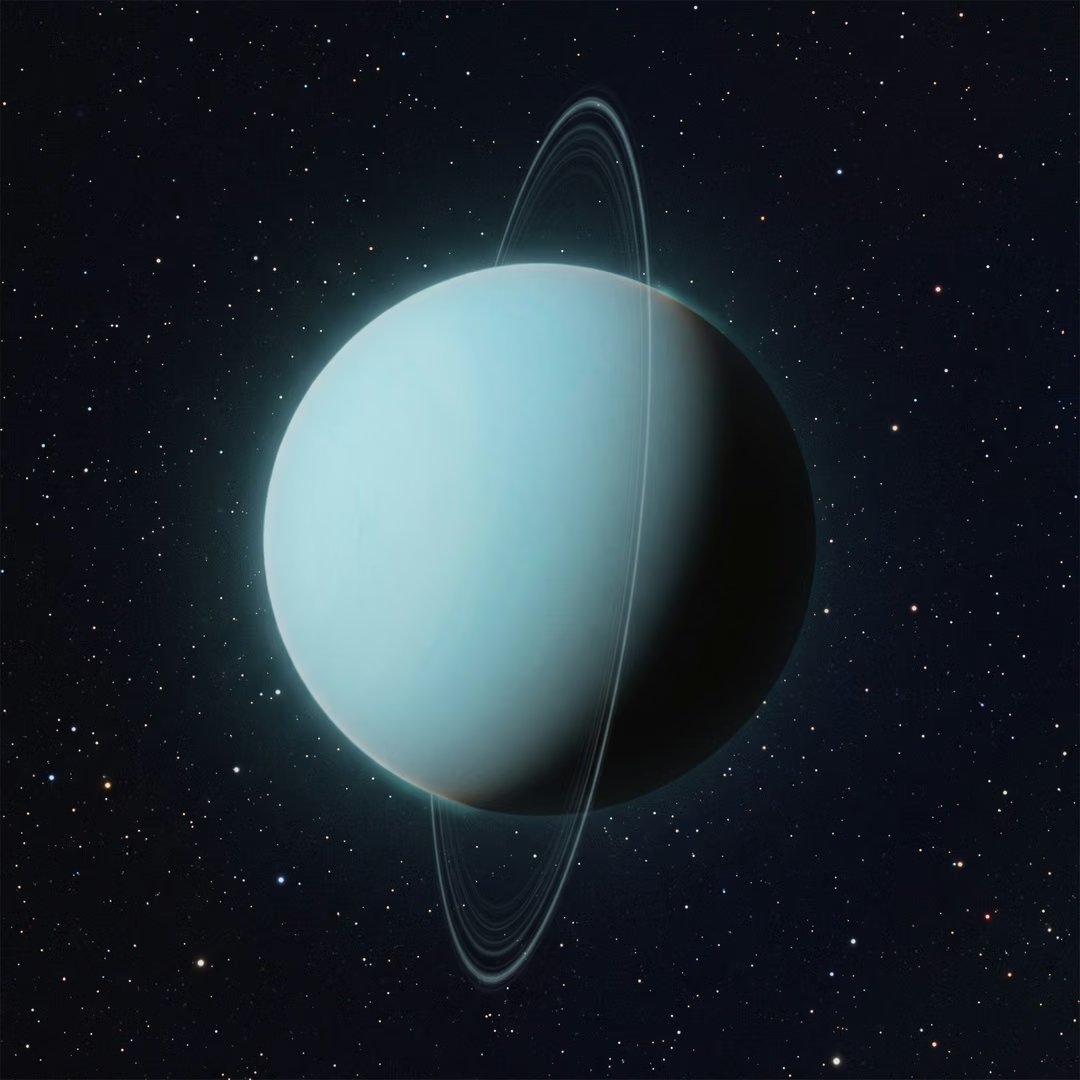
- Uranus
- Uranus is your need for freedom, your originality and your way of breaking with what confines you.
What it means
For you, two needs get in each other’s way: the need for closeness and emotional security, and the need for independence and freedom. You have to look for a way to reconcile them. To feel truly free, you first have to settle your emotional problems. You can get discouraged to see that no sooner is one problem settled than you discover another.
In daily life, you need above all a lot of space and freedom, especially in your emotional life and at home. You need to feel alive, with the idea that your life could change from one moment to the next. You are often restless and want change: routine and domestic life do not suit you, and you feel better in a life others would find unconventional. Your mood changes very fast. You often need to change your life at home, and radically: your partner, your home, your country, or simply the decor. You look to break with the past, that of your childhood as well as that of last week.
You are very sensitive and you easily take things the wrong way. You are very intuitive, but your intuition is not always right. Often, you only allow yourself to feel your emotions in brief, sudden moments. People who would like to help you sometimes hold back, because they think you are too independent to need it, or too cold and distant to approach. Yet your independence often hides a need to depend on others.
Your difficulties come directly from the way your parents raised you: you were expected to carry burdens you were not emotionally ready for. You felt guilty about it, and you did everything to get rid of that guilt. When you do favors for others, you react too strongly emotionally, always hoping to be finally freed from the obligation to serve. In love too, you often take the role of the one who serves.
In your childhood, there were often unexpected events, and sometimes a shock, something very sudden. You sometimes lived through an abrupt break in affection, for example the maternal figure suddenly moved away from you, and you felt abandoned, rejected or left out. You often met emotional independence too early: when you needed to be consoled, supported and encouraged, you sometimes received coldness. Sometimes this lack of security comes from frequent moves. When your family was traditional, your mother may have experienced motherhood as an infringement on her freedom; it then falls to you, sometimes without your knowing it, to do the bold things she would have liked to do but could not or did not dare. It also happens that your mother is very progressive, or that your mother or your family seems so eccentric to you that the difference embarrasses you.
Often, you also rebel against this past, especially against your mother or the person who raised you, and against everything she represented; shocking her can remain a goal your whole life. As a rule, you do not believe that blood ties come before everything, and people too attached to the family network irritate you; on the other hand, you readily accept the idea that the whole world is your family. The traditional family, especially the extended family, often weighs on you: you hate the hidden tensions among its members, you find it artificial and hypocritical, and you do not want to repeat that model. Because you value your independence so much, you sometimes choose not to have children; if you become a mother, it can awaken feelings in you that you did not know you had, and you leave your children a lot of freedom.
Your strengths
- By settling one problem after another, you become skilled at handling recurring crises.
- You also acquire many skills that help you succeed in your work.
- When you open up to your emotions, you speak about them with great frankness: you admit things that might shock, that others would not have the courage to say, and that can create closeness right away.
- You can be a very good friend, because you understand in an instant what the other person feels; since your mood changes fast, you are tolerant and you understand well other people’s changes of behavior.
- You show people you care in very varied ways, without feeling bound by convention.
- You are humanistic and committed to equality: you have friends of all ages, backgrounds and cultures, and people find you fascinating.
- You can be particularly sensitive to the fate of those who are pushed aside.
What holds you back
- You are often very tense, and when you feel under pressure, you lack firmness and you react too strongly emotionally.
- You constantly expect to be pushed away: you pick up the slightest hesitation in the affection shown to you, or a slight, even where there is none.
- When you feel rejected, you become brusque and distant to hide your hurt, and the person facing you feels pushed away in turn.
- You find it hard to ask for support, you sometimes refuse the help you are offered, and you then sometimes feel set apart, separated from others.
- When you risk being hurt emotionally, you often cut yourself off from what you feel, or you do something radical, like moving.
What helps
Being wary of those who say that only you can help them, since others could do so just as well. Listening to your sensitive, emotional nature, which should warn you not to be locked into painful situations. Refusing to do more than is truly necessary, so that your burdens do not weigh too much on you. Making rest and relaxation a real part of your life: that lets you face the unexpected. Not feeling guilty about what you have not done. Creating a family of your own kind, with friends who each live in their own place but whom you feel as your family.
Depending on the rest of your chart
- If the 4th house is touched by the aspect (Moon or Uranus in the 4th house): the lack of security in childhood more often comes from frequent moves.
- If the aspect is strong in the chart: you often feel more at ease living alone.
- If the quincunx links signs of compatible elements (quincunx out of sign, for example the end of Leo and the start of Aries): the aspect is weakened.
- If the quincunx links signs of incompatible elements (the ordinary case): the discomfort is constant and weighs more.